
Montana, often referred to as “Big Sky Country,” is a land of rugged wilderness, majestic mountains, and untamed beauty. Montana’s allure extends far beyond its breathtaking landscapes. The history of tourism in Montana is as rich and diverse as the land itself, shaped by Native American tribes, fur trappers, pioneers, conservation efforts, and modern-day adventurers.
Native American Heritage
Long before the arrival of European settlers, Montana’s pristine wilderness drew indigenous peoples who revered the land as sacred and rich with spiritual significance. Native American tribes such as the Blackfeet, Crow, Nez Perce, and Sioux inhabited the region for centuries, their cultures intertwined with the natural rhythms of the land. For these early inhabitants, travel was not merely a means of exploration but a way of life deeply rooted in reverence for the earth and its resources.
Exploration and Early Visitors
In the 19th century, a surge in exploration was underway as European fur traders, trappers, and explorers ventured into Montana’s rugged terrain in search of riches and adventure. Historical figures like Meriwether Lewis and William Clark blazed trails through the region, mapping the land and forging relationships with Native American tribes. Establishing forts and trading posts, such as Fort Benton and Fort Missoula, further supported travel and trade in Montana, serving as important outposts for travelers journeying through the untamed frontier, and providing respite and provisions along the way.
The Oregon Trail, The Gold Rush, and The Railroad
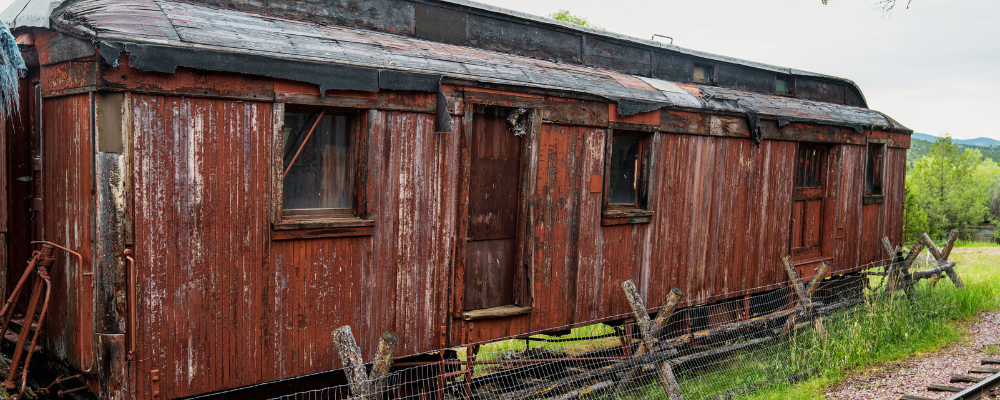
The Oregon Trail once traversed the eastern part of Montana, serving as a pathway to the fertile valleys of the Pacific Northwest. In the 1860s, the Montana gold rush attracted thousands of prospectors and fortune-seekers to the region, resulting in the establishment of mining towns like Virginia City and Helena. The late 19th and early 20th centuries marked the peak of railroad travel in Montana, with the construction of the Northern Pacific and Great Northern Railway, which opened up access to remote areas. Rail travel helped boost tourism, as visitors came to explore Montana’s national parks and wilderness areas.
The Rise of National Parks and Conservation
Montana’s designation as home to two of the country’s most iconic national parks—Yellowstone and Glacier—further bolstered its appeal as a tourist destination. Yellowstone National Park, located just south of Montana’s border, became the world’s first national park in 1872, attracting tourists from far and wide. Montana’s own Glacier National Park, established in 1910, soon followed suit, drawing visitors with its stunning alpine scenery and abundant wildlife. Visionaries such as John Muir and Theodore Roosevelt championed the preservation of America’s natural treasures, inspiring generations of travelers to experience the beauty of the West firsthand.
Modern-Day Tourism
Montana remains a captivating destination for visitors, thanks to its stunning landscapes, rich culture, and adventurous spirit. The state offers a wide range of outdoor activities and experiences that cater to travelers of all ages and interests, from hiking in untouched wilderness areas to exploring historic mining towns and fly-fishing in pristine rivers.
Montana’s tourism industry has played a significant role in shaping the identity of the American West. Today, local communities have fully embraced tourism as a vital economic lifeline, offering visitors warm hospitality and authentic cultural experiences. By adopting sustainable and responsible travel practices, we can preserve this timeless land’s natural heritage and ensure future generations can also experience its wonder and magic.
Today you can learn about and relish this history through a wild west vacation to Montana!
The biography of William Clark relates that in the early 1800’s when he was serving as the indian agent in St Louis an aged but fit Daniel Boone visited on the way back from a hunting trip with his son’s and grandsons up the Missouri into Montana.