
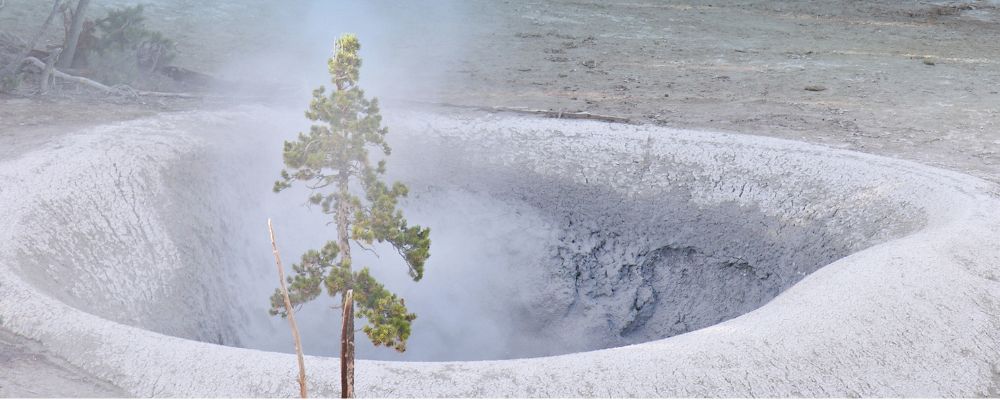
Yellowstone National Park is a place where the Earth’s geothermal forces create a mesmerizing display of steam, hot springs, geysers, and colorful pools. The Park is a UNESCO World Heritage site and home to one of the world’s largest and most diverse collection of geothermal features. From the iconic Old Faithful to the serene pools of Grand Prismatic Spring, each feature tells a story of the Earth’s dynamic forces and the resilience of life in extreme environments. There is a lot more to Yellowstone’s geothermal wonders than you might think.
The Power Beneath the Surface
Yellowstone sits atop a supervolcano, which fuels the park’s geothermal activity. This volcanic hotspot heats water deep underground, creating an intricate network of geysers, hot springs, mud pots, and fumaroles. These features are a testament to the powerful geological processes constantly shaping the landscape.
The Science Behind the Beauty
Yellowstone’s geothermal features are not only visually stunning but also scientifically significant. They offer researchers insights into extremophile organisms that thrive in extreme heat and acidity, potential sources of renewable energy, and the processes that shape our planet’s surface.
Conservation and Preservation
Preserving Yellowstone’s geothermal wonders is crucial for both their scientific value and their aesthetic beauty. Visitors are encouraged to follow park regulations, stay on designated trails, and avoid throwing objects into hot springs, as even small changes can disrupt these delicate ecosystems.
The Most Iconic Geothermal Features
1. Old Faithful: Perhaps the park’s most famous geyser, Old Faithful erupts approximately every 90 minutes, shooting scalding water up to 180 feet into the air. Its predictability and impressive height make it a must-see for visitors.
2. Grand Prismatic Spring: Known for its stunning colors, Grand Prismatic Spring is the largest hot spring in the United States and the third-largest in the world. Its vibrant hues of blue, green, yellow, and orange are caused by different types of bacteria that thrive in the varying water temperatures.
3. Morning Glory Pool: This striking hot spring was once known for its brilliant blue color, but over the years, debris thrown in by visitors has altered its appearance. It remains a beautiful sight, with hues of blue transitioning to yellow and orange around its edges.
4. Mud Volcano Area: Located near Yellowstone Lake, this area features boiling mud pots and fumaroles that emit steam and gases. The mud pots bubble and gurgle, while the fumaroles release sulfurous gases that add to the area’s otherworldly atmosphere.
Exploring Yellowstone’s Geothermal Wonders
Visitors to Yellowstone can explore these geothermal wonders through a network of boardwalks and trails that allow for safe viewing of these fragile and sometimes dangerous natural features. Ranger-led programs provide insights into the geology and ecology of the park, enhancing the visitor experience with expert knowledge and safety tips.
Witness the awe-inspiring power and beauty of Yellowstone’s geothermal wonders. Plan your visit and immerse yourself in the wonder of nature’s fiery spectacle. Yellowstone’s geothermal wonders promise a memorable and educational experience.
Learn more about how to plan a Yellowstone Vacation so you can explore and experience the wonders for yourself!